Executive Summary:
The HKUST Shipping Decarbonisation Forum, held on 20 May 2026 at the HKUST Jockey Club Institute for Advanced Study, examined how the maritime sector can act during the "messy middle" of decarbonisation. With the International Maritime Organization (IMO) Net-Zero Framework delayed in October 2025, speakers focused on two near-term pathways: deploying energy efficiency technologies (EETs) on existing ships and strengthening carbon certification for marine biofuels and other low-carbon fuels.
The forum found that technology availability is not the fundamental bottleneck. EETs such as propulsion upgrades, shaft generators, wind-assisted propulsion systems, performance analytics, and pay-as-you-save models are already being tested or deployed; biofuels are also available as drop-in options for existing vessels. However, three barriers remain decisive. First, EET adoption depends on vessel-specific operating profiles, verified savings, crew training, and commercial arrangements that address split incentives between shipowners and charterers. Second, biofuel use requires credible lifecycle accounting, feedstock verification, quality and quantity assurance, and safeguards against weak certification or fraud. Third, Hong Kong's role depends on coordination: aligning with IMO expectations and existing international schemes rather than creating fragmented local requirements.
Participants identified four priorities:
- Build trusted measurement and verification systems for EET savings, including baselines, performance analytics, and independent validation.
- Align retrofit incentives among shipowners, charterers, technology providers, and financiers so that verified fuel savings can support investment decisions.
- Strengthen biofuel carbon integrity through IMO lifecycle assessment, recognised certification schemes, physical assurance, fingerprinting, and fuel testing.
- Position Hong Kong as a certification, verification, professional-services, and green fuel trading platform connected to Greater Bay Area supply chains.
The conclusion was clear: ships can be retrofitted and fuels can be certified, but adoption will scale only when performance, carbon intensity, and commercial benefits are measured, verified, and trusted.
Technical Summary:
Part I: Maritime Energy Efficiency Technologies
Opening Context
Prof. Christine Loh opened the forum by positioning shipping and port development within both China's forthcoming 15th Five-Year Plan and Hong Kong's first five-year plan. She emphasised that HKUST's role is to work close to industry while contributing public-policy analysis, research, and stakeholder engagement. The forum was designed to bring technical, commercial, financial, and policy perspectives into the same room so that Hong Kong's future maritime policy can be informed by the realities of decarbonisation.
Ms. Sabrina Chao widened the discussion beyond technology. She linked decarbonisation to geopolitical disruption, energy security, seafarer welfare, and the uncertainty facing shipowners who must invest in assets with lives of 20 to 25 years. Her remarks underlined the need for regulatory clarity, a level playing field, and robust lifecycle greenhouse gas assessment. She also argued that EETs, digitalisation, and credible fuel certification are the tools available now while alternative fuels and global regulation mature.
Mr. Tim Smith recalled the Fair Winds Charter as an example of Hong Kong's ability to convene stakeholders and translate voluntary action into policy. He argued that the same spirit could support Hong Kong's future role in green fuel trading. With Mainland China emerging as a major supplier of green methanol, green ammonia, batteries, and related technologies, Hong Kong could help connect supply, finance, regulation, and demand for the regional maritime sector.
Keynote Presentations
The EET sessions began with HKUST's research update on green maritime retrofitting and marine fuel demand and emissions analysis. Mr. Jiajing Chen described how automatic identification system (AIS) data and maritime big-data analytics can support emissions estimation, policy evaluation, and identification of high-priority areas such as hotelling emissions in Hong Kong waters. The presentation linked research on onshore power, green retrofitting, and possible intra-Greater Bay Area corridors to a broader need for trusted data and lifecycle greenhouse gas analysis.
Mr. Patrick Banks of Kongsberg Maritime reviewed integrated energy-saving technologies from the perspective of a technology provider. His main message was that EETs cannot be treated as isolated devices. Propellers, rudders, wind-assisted propulsion, shaft generators, batteries, hotel loads, voyage planning, and estimated arrival requirements interact with one another. Wind-assisted propulsion systems, in particular, must be selected according to vessel type, route, geography, and operating profile. Installing a device without integrating it into vessel operations may fail to deliver the promised savings.
Mr. Shane Balani of the Global Centre for Maritime Decarbonisation (GCMD) addressed the financing and incentive problem through the Fund for Energy Efficiency Technologies (FEET). He explained that EET savings are real but difficult to predict because they depend on routes, weather, vessel use, operational behaviour, and crew practices. FEET seeks to reduce this uncertainty through high-frequency data, performance measurement, statistical analysis, blended finance, and a pay-as-you-save leasing model. The structure is designed to help shipowners access technologies without bearing all upfront cost, while giving financiers a stronger basis for understanding performance risk.
Mr. Logan Lau of China Merchants Marine and Offshore Research Institute (CMMI) introduced the Vessel Technical Index (VTI) as an open and dynamic performance-proof platform. Developed with shipowner, integrator, and verifier participation, VTI aims to quantify ship-level and equipment-level efficiency while accounting for environmental conditions such as wind, waves, and water. The platform connects technical measurement with commercial questions, including cleaning decisions, dynamic fuel tables, weather routing, and possible risk-reward sharing between owners and charterers.
Panel 1: Issues of wind-assisted propulsion systems (WAPS) and overcoming barriers of EETs adoption
The first panel was moderated by Ms. Christine Loh (HKUST). The panellists were Mr. Daniel Song (Bureau Veritas), Ms. Eleanor Cunningham (Caravel Group), Mr. Patrick Banks (Kongsberg Maritime), Mr. Shane Balani (GCMD), and Mr. Logan Lau (CMMI). The discussion focused on why technologies with measurable fuel-saving potential still face slow adoption on existing ships.
Retrofit readiness and vessel-specific integration
- Mr. Daniel Song (Bureau Veritas) stressed that retrofitting existing ships is far more complex than integrating EETs into newbuilds. While shipyard cutting, construction, and commissioning may take only weeks, the design, feasibility, and capability assessment can take five to six months. Using wind propulsion as an example, he noted that poor integration can create practical operational problems, such as interference with mooring arrangements and berth access. Retrofit assessment must begin early and examine all likely operational impacts before installation.
- Ms. Eleanor Cunningham (Caravel Group) emphasised the ship manager's perspective. She argued that EETs must fit the vessel, not the other way around. A credible pre-retrofit baseline, weather-normalised fuel-consumption data, and a clear understanding of how each technology interacts with the ship are essential before savings can be quantified and shared with owners or charterers.
- Mr. Patrick Banks (Kongsberg Maritime) reinforced the integration point from the technology-provider side. He said providers can support analysis and verification, but capital expenditure remains hard for shipowners to justify even where the business case appears strong. He noted that interest in fuel-saving technologies is high, but follow-through is often weak because the upfront cost, the split between capital expenditure and operating savings, and the absence of a clear commercial pull all affect investment decisions.
Crew training, data, and operational delivery
- Ms. Eleanor Cunningham (Caravel Group) stressed that technology performance depends on people as much as equipment. Crews, superintendents, vendors, owners, and charterers need to understand when systems should be used, how they should be maintained, and how performance data should be logged. Without training and aligned data practices, the claimed savings cannot become auditable data that supports return-on-investment calculations or negotiations between owners and charterers.
- Mr. Shane Balani (GCMD) added that technologies such as wind-assisted propulsion and air lubrication are not plug-and-play solutions. They require class approval, dry-dock work, system integration, crew and superintendent training, and industry maturation. He described a project in which the investment decision, vessel ownership, and crew management were separated across different parties, resulting in very low initial utilisation of the installed sails because the crew were unfamiliar with the technology and cautious about its operational effects.
- Mr. Logan Lau (CMMI) explained how the Vessel Technical Index (VTI) can contribute to performance transparency. The system displays true energy efficiency after accounting for environmental influences such as wind, waves, and currents. By dynamically calibrating baselines with real-time data, VTI can support practical decisions such as hull or propeller cleaning while giving shipowners and charterers a shared performance basis.
Finance, incentives, and Hong Kong's role
- Mr. Patrick Banks (Kongsberg Maritime) said many customers want to reduce fuel use and carbon footprint, including under pressure from cargo owners, but the investment case still often falls apart at the point of capital commitment. He pointed to the need for trusted models that all parties can accept when calculating savings, especially for technologies such as wind-assisted propulsion that add weight and resistance even when not operating.
- Mr. Shane Balani (GCMD) argued that finance needs both a push and a pull. Pay-as-you-save models and blended finance can help, but banks also need incentives to take on the complexity of tracking vessel performance. He pointed to taxonomies, capital relief, and the ability to recognise retrofit investments as green or transitional finance as mechanisms that could encourage financial institutions to participate.
- Ms. Sabrina Chao (Guest of Honor), speaking from a shipowner and Hong Kong policy-advisory perspective, said investment decisions depend heavily on business model. Owners on time charter may not receive the fuel-saving benefit, while bulk owners face route variability, crew rotation, downtime, and training scalability issues. She noted that Hong Kong is looking seriously at green financing and could draw lessons from models such as GCMD's work.
Part II: Maritime Biofuels & Carbon Certification
Keynote Presentations
Mr. Shen Tao of the American Bureau of Shipping (ABS) opened the biofuels and certification segment by framing biofuels as an immediate option for existing vessels, especially where Carbon Intensity Indicator performance needs improvement. He cautioned, however, that biofuels only support decarbonisation if their carbon integrity can be verified. His presentation linked IMO lifecycle assessment guidelines, Well-to-Tank, Tank-to-Wake, and Well-to-Wake accounting, fuel pathway codes, feedstock origin, indirect land-use change, and the distinction between default and actual emissions values. He recommended that Hong Kong build on existing international schemes rather than create unnecessary duplication.
Ms. Jude Lee of Transport & Environment challenged the assumption that biofuels are automatically sustainable. She drew attention to the land intensity of crop-based biofuels, indirect land-use change, food-security concerns, limited waste-based feedstocks such as used cooking oil, and the risk that paper-based certification may not be sufficient to prevent fraud. Her intervention shifted the question from whether biofuels can be used quickly to whether they should be scaled without stronger safeguards and a clearer long-term fuel strategy.
Dr. Prapisala Thepsithar of GCMD presented an assurance framework for drop-in biofuels based on three pillars: quality, greenhouse gas abatement, and quantity. GCMD's trials showed that fatty acid methyl ester (FAME) quality can remain stable under monitored commercial conditions, while hydrotreated vegetable oil (HVO) compatibility depends on the specific blend and fuel stream. The presentation also covered tracer trials, FAME fingerprinting, feedstock authenticity, measured biocomponent content, bunker delivery note documentation, and the need for routine commercial practices that make biofuel claims auditable.
Mr. Zhou Jun of RINA explained sustainable fuel certification under the European Union (EU) Renewable Energy Directive framework, covering biofuels, bioliquids, biomass fuels, renewable fuels of non-biological origin, recycled carbon fuels, chain-of-custody traceability, national schemes, and European Commission (EC)-recognised voluntary schemes.
Ms. Ting Li of Veritas Petroleum Services (VPS) then showed how fingerprinting and fuel testing can support traceability, quality assurance, and certification. Her presentation linked ISO 8217:2024, FAME fingerprinting, sampling, certificate of quality, bunker delivery note documentation, and digital bunkering to the broader challenge of ensuring that green fuel claims correspond to physical fuel characteristics.
Panel 2: Developing Hong Kong as a Certification Hub for Green Maritime Fuels
The second panel was moderated by Mr. Shen Tao (American Bureau of Shipping). The panellists included Mr. Tom Uiterwaal (Reconergy), Mr. Luigi Fiato (RINA), Ms. Jude Lee (Transport & Environment), and Dr. Prapisala Thepsithar (GCMD).
Building on existing certification schemes rather than creating a separate system
- Mr. Shen Tao (ABS) framed the question around whether Hong Kong could become a credible certification hub for renewable fuels while bridging Asian supply chains and European Union sustainability requirements without creating new barriers for producers.
- Mr. Tom Uiterwaal (Reconergy) argued that Hong Kong should look carefully at existing certification systems, especially International Sustainability and Carbon Certification (ISCC). Drawing on his own experience as an ISCC-certified market participant, he explained that ISCC is already deeply embedded in supply chains, with certified suppliers in China and certified customers in Europe. He stressed that the system has stringent audit requirements and that failure to pass an audit can remove a company from the market.
- Mr. Luigi Fiato (RINA) agreed that certification must be reliable and scalable. He warned that fragmentation can become a risk if every jurisdiction creates its own rules, because market participants may no longer know which requirements to follow. In his view, stakeholder engagement is essential, involving local authorities, certification bodies, companies, and other market actors. He later added that creating a new Hong Kong scheme would not be an easy route, because it would need recognition beyond Hong Kong and alignment with wider technical committees and international practice.
Environmental integrity, deployment speed, and feedstock context
- Ms. Jude Lee (T&E) cautioned Hong Kong against choosing speed over environmental integrity. While not dismissing all biofuel use, she argued that Hong Kong should avoid locking itself into unsustainable biofuel investment simply because rapid deployment appears attractive. She urged Hong Kong to define what kind of bunkering hub it wants to be over the next 10, 20, or 30 years, and what sustainability criteria it expects for port infrastructure and marine fuel pathways.
- Dr. Prapisala Thepsithar (GCMD) added nuance on feedstock sustainability. She noted that Asia has abundant biomass resources and that food-versus-fuel debates need to be understood in context, including seasonal conditions and farmer livelihoods. She cautioned against treating all first-generation feedstocks or all palm oil in the same way, and pointed to the need for criteria that consider specific production pathways and circumstances.
Actual values, default values, and credibility
- Mr. Tom Uiterwaal (Reconergy) expressed a strong preference for actual emissions values because they strengthen the credibility of carbon-emission savings. He explained that renewable fuels cost more than conventional fuels, so buyers need to understand what they are paying extra for: the verified carbon saving. At the same time, he acknowledged that default values may still have a role for large flows.
- Dr. Prapisala Thepsithar (GCMD) noted that actual values can sometimes be higher than default values, based on GCMD's supply-chain trial experience, which suggests that default values may need adjustment when applied globally.
- Mr. Tom Uiterwaal (Reconergy) added that actual values can also be lower than default values, showing why small samples should not be overgeneralised.
Hong Kong's practical role
The panel converged around a practical role for Hong Kong as a regulator, harmoniser, and professional-services platform rather than as the creator of a stand-alone certification system. Hong Kong can help ensure that renewable fuels used locally are consistent with international schemes and IMO requirements, while developing any Hong Kong-specific requirements only where they respond to local market needs. The panel's conclusion was that credibility will depend on alignment, stakeholder engagement, and the ability to verify supply-chain and emissions claims in ways recognised beyond Hong Kong.
Key Outcomes:
The forum identified four priorities for the next stage of maritime decarbonisation:
- EET adoption needs vessel-specific integration, verified performance data, and commercial structures that share savings fairly.
- Biofuel deployment needs sustainability safeguards, lifecycle accounting, physical assurance, and testing beyond paper certification.
- Hong Kong should align with existing international certification schemes while strengthening local capacity in verification, professional services, and green fuel trading.
- Research institutions can support the transition by building trusted data infrastructure, emissions analysis, lifecycle assessment, and policy translation between industry practice and public decision-making.
The forum's central conclusion was that decarbonisation now depends as much on institutions as on technology. Ships can be retrofitted, fuels can be tested, and finance can be mobilised, but only if performance, carbon intensity, and commercial benefits can be measured, verified, and trusted.
| Time | Sessions | Speakers | Presentation |
| Part I | Maritime Energy Efficiency Technologies (115”) | ||
| 0900-0925 |
Welcome Opening Speeches/ Photo-taking |
HKUST Guests of Honour (GoH) |
|
| 0925-0940 | HKUST Research Update: Green Maritime Retrofitting and Marine Fuel Demand & Emissions Analysis | HKUST | |
| 0940-0955 | Integrated Energy Saving Technologies in Action | Kongsberg Maritime (Kongsberg) | |
| 0955-1010 | Unlocking the potential of energy efficiency technologies with Fund for Energy Efficiency Technologies (FEET) | Global Centre of Maritime Decarbonization (GCMD) | |
| 1010-1020 | Quantifying performance of EETs by Vessel Technical Index | China Merchants Marine and Offshore Research Institute (CMMI) | |
| 1020-1055 | Panel 1: Issues of WAPS and overcoming barriers of EETs adoption | HKUST (moderator): Kongsberg, Bureau Veritas Marine & Offshore (BV); GCMD, CMMI, Caravel Group (Caravel) | |
| 1055-1110 | Tea Break (15") | ||
| Part II | Maritime Biofuels & Carbon Certification (110”) | ||
| 1110-1130 | Certifying Carbon Integrity: How IMO LCA, Global Schemes and Physical Assurance Converge for Marine Biofuels & E‑Fuels | American Bureau of Shipping (ABS) | |
| 1130-1140 | Misleading solution: Biofuel | Transport & Environment (T&E) | |
| 1140-1200 | Drop-in Biofuels: A Framework for Quantity, Quality and GHG Abatement Assurance | GCMD | |
| 1200-1210 | Certification of sustainable fuels | RINA | |
| 1210-1220 | How fingerprinting guards the fuel quality by tracking fuel traceability | Veritas Petroleum Services (VPS) | |
| 1220-1255 | Panel 2: Developing Hong Kong as a Certification Hub for Green Maritime Fuels | ABS (moderator): RINA, T&E, GCMD, VPS, Reconergy (HK) Ltd. | |
| 1255-1300 | Closing Remarks | HKUST | |
|
|
Organization/ Company |
Name of Speaker |
Job Title |
|
1 |
HKUST |
Christine Loh |
Chief Development Strategist, IENV |
| 2 | GoH | Sabrina Chao | B.B.S., J.P., Chairman of the Maritime Services Development Committee, Hong Kong Maritime and Port Development Board |
|
3 |
GoH |
Tim Smith |
Managing Director, Maersk Shipping (Hong Kong) Limited |
|
4 |
HKUST |
Jiajing Chen |
PhD researcher |
|
5 |
Kongsberg |
Patrick Banks |
Vice President, Aftermarket Asia-Pacific |
|
6 |
GCMD |
Shane Balani |
Director, Projects |
|
7 |
CMMI |
Logan Lau |
Senior Engineer, New Energy Application R&D Department |
|
8 |
BV |
Daniel Song |
Head of Expertise Center Sustainability, Future Shipping Team |
|
9 |
Caravel Group |
Eleanor Cunningham |
General Manager, Sustainability |
|
10 |
ABS |
Shen Tao |
Director of Global Sustainability – Eastern Hemisphere, ABS |
|
11 |
RINA |
Zhou Jun |
China Carbon Manager |
|
12 |
T&E |
Jude Lee |
Regional Policy and Program Director for Asia-Pacific |
|
13 |
GCMD |
Dr Prapisala Thepsithar |
Director, Projects |
|
14 |
VPS |
Ting Li |
General Manager, China |
| 15 | RINA | Luigi Fiato | Managing Director, Rina (Shanghai) Quality Certification Co., Ltd. |
|
16 |
Reconergy |
Tom Uiterwaal |
CEO |
|
17 |
HKUST |
Alexis KH Lau |
Head and Chair Professor, Division of Environment & Sustainability |
Speakers' Biographies
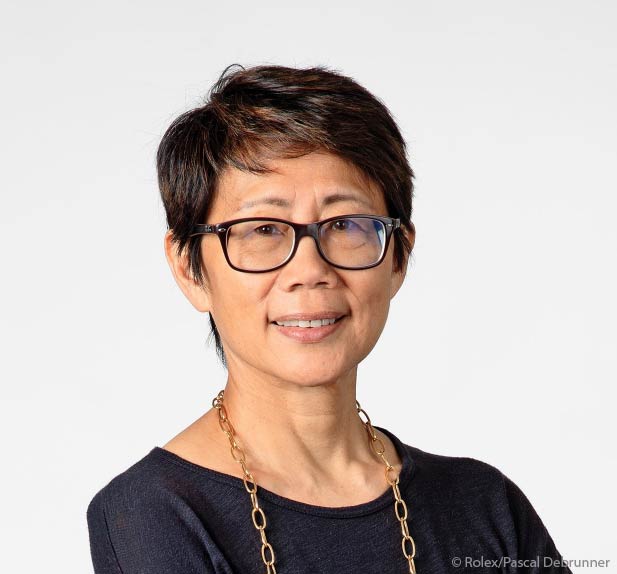
Christine Loh
Prof. Christine Loh is the Chief Development Strategist at the Institute for the Environment, Hong Kong University of Science and Technology (HKUST). Previously, she held the positions of Special Consultant to the Office of the Chief Executive of the HKSAR Government on the ecological civilization aspects of the Greater Bay Area Outline Development Plan (2019-2020); and Under Secretary for the Environment in the HKSAR Government (2012-2017). She was the CEO of Civic Exchange, an independent non-profit public policy think tank (2000-2012). Before that, Prof. Loh served as a member of the Hong Kong Legislative Council, first appointed in 1992 and later elected in 1995 and 1998. Earlier, she spent 14 years in the private commercial sector in commodities trading. Currently, she is a Director of New Forests Pty Limited, Towngas Smart Energy Company Limited, CDP Worldwide, and Global Maritime Forum. She is also a founding Advisor to Hong Kong Green Finance Association.
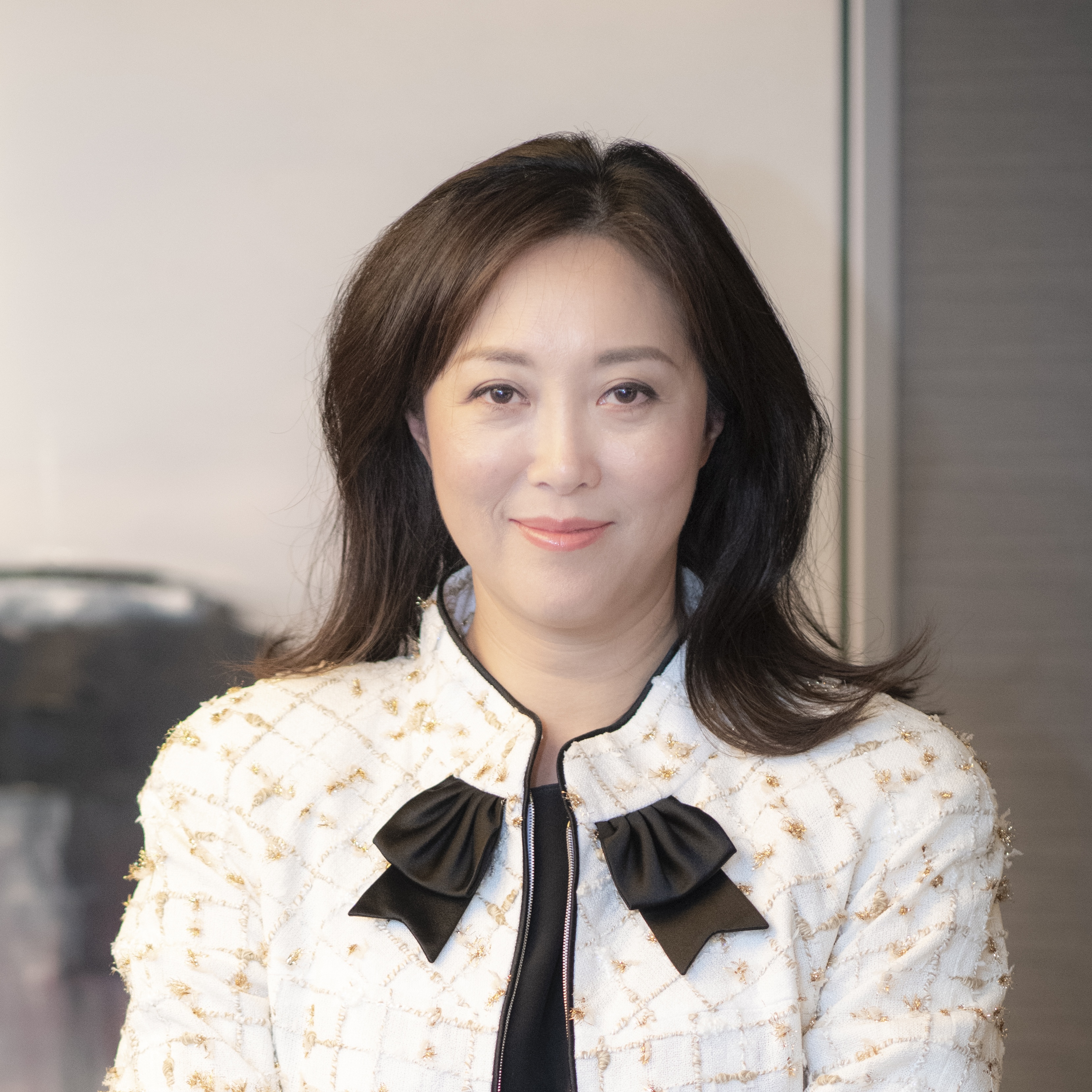
Sabrina Chao
Ms. Sabrina Chao BBS, JP is the Founder and Chairman of SeaKapital Limited and the Chairman of Charterhouse School (Asia) Limited. She graduated from the Imperial College London in 1996 with a Bachelor of Science Degree in Mathematics with Management. Between 2002 to 2018, Ms. Chao ran the family business and developed Wah Kwong Group into one of the best in class shipowner globally.
Ms. Chao is a leader in the global maritime industry. She was the President of BIMCO from May 2021 to May 2023, the largest shipping organization in the world. She was the past Chairman of Asian Shipowners’ Association and the Hong Kong Shipowners Association.
Ms. Chao is very passionate in promoting the maritime industry to the next generations. She is presently the Chairman of External Advisory Group of the Department of Logistics and Maritime Studies in Hong Kong Polytechnic University. Ms. Chao is also a member of the Vocational Training Council, as well as the Council Member for the Hong Kong University of Science & Technology. She is a general committee member of The Sailors and Mission to Seafarers Hong Kong since 2019. With her great contributions in the maritime industry, she was named Honorary President by the Women’s International Shipping & Trading Association (WISTA) since 2009 and the Connecticut Maritime Association (CMA) Commodore in 2018.
In addition to above, Ms. Chao is Honorary Consul of Norwegian Honorary Consulate in Hong Kong; a member of the Standing Committee of the Chinese People’s Political Consultative Conference (CPPCC) in Jiangsu Province; a member of the Airport Authority Hong Kong (AAHK); a member of the Council of The Hong Kong University of Science and Technology; Young Global Leaders 2014 awarded by the World Economic Forum; Executive Vice Chairman of Federation of Jiangsu Community Organization; Permanent Chairman of Federation of Hong Kong Jiangsu Youth. Ms. Chao is member of the Council for Carbon Neutrality and Sustainable Development. In June 2025, Ms. Chao is also appointed by the Chief Executive of the HKSAR as member to the Hong Kong Maritime and Port Development Board (HKMPDB).

Tim Smith
Tim Smith graduated in 1985 from the University of Oxford with a BA (Hons) 1st class in Geography. He has worked in the container shipping and port industries for over 40 years, for much of that time in Asia, including more than 25 years living in Hong Kong, as well as living and working in Singapore and Australia. Initially with P&O Containers and then P&O Nedlloyd, Tim has been with the Maersk Group since their acquisition of P&O Nedlloyd in 2005.
From 2008-2015, Tim held the role of Chief Executive of the North Asia Region for Maersk Line. Tim was responsible for all aspects of Maersk Line’s business in Japan, Korea, China/HK and Taiwan, which together contributed more than 35% of the global Maersk Line throughput, and a turnover in excess of US$10bn. The country and functional managers reporting to Tim were responsible for sales and marketing, operations, customer service, finance, HR, IT and administration.
In July 2015, Tim relocated to Beijing, China and assumed the role of Chairman of Maersk China, and Chief Maersk Group Representative for North Asia. Reporting to Maersk Group Chief Executive Soren Skou, in this role Tim was responsible to maximize the Group’s commercial opportunities across all its various business units in the North Asia region, as well as for risk management and compliance, and leadership development.
From March 2018, Tim returned to Hong Kong and took on the role of Chief Executive, Asia Region for APM Terminals. APM Terminals is the port and terminals division of the Maersk Group. In this role, Tim was responsible for the profit and loss of APMT’s 17 ports and terminals in the Asia region, as well as for sales/marketing of APMT’s global network of terminals to Asian customers.
Since 2022, Tim has stepped down from full-time employment, but continues as a Senior Advisor to Maersk in Asia, working 2 days a week. In this role, Tim contributes to business development initiatives for the company across Asia, and remains as a Board Director of 5 of the Group’s port companies in the region. Tim also continues to be Managing Director of Maersk Shipping (Hong Kong) Limited, the entity through which Maersk owns more than 50 ships registered under the Hong Kong flag.
Tim is using the time freed up from full-time employment with the Maersk Group to pursue pro bono work (e.g. as a Board member of the Mission to Seafarers) and to pursue his interest as an amateur historian.
Tim is British and 62 years of age. He is married to Helen (a doctor), and together they have 4 grown-up children.

Jiajing Chen
CHEN Jiajing is a PhD researcher in the Division of Environment and Sustainability (ENVR) at the Hong Kong University of Science and Technology (HKUST). He holds a master's degree in international shipping management, also obtained in Hong Kong, and has gained substantial experience in the shipping industry across both Mainland China and Hong Kong. His research and professional interests are centered on green and sustainable shipping practices, with a particular focus on the application of big data in the shipping industry.

Patrick Banks
Mr. Patrick Banks is the Vice President of Aftermarket Sales for the Asia-Pacific region, where he leads strategic growth initiatives and drives customer-centric solutions across diverse markets. With a proven track record in sales leadership and operational excellence, Patrick brings over two decades of experience in the maritime sector. He is known for his ability to build high-performing teams, foster strong client relationships, and develop innovative aftermarket solutions. Based in Singapore, Patrick works closely with regional partners and global stakeholders to align aftermarket strategies with evolving market demands, he plays a pivotal role in shaping the APAC sales landscape. Patrick is passionate about innovation, continuous improvement, and customer satisfaction. His dynamic leadership style and deep industry insight make him a trusted advisor and a key driver of success in the region.

Shane Balani
Shane is a Director in the Projects team at the Global Centre for Maritime Decarbonisation and is the lead for GCMD’s initiative to scale the adoption of energy efficiency technologies in shipping.
Prior to GCMD, he was a marine surveyor at Lloyd’s Register, working on novel newbuilding projects across specialist offshore and dual-fuel installations, including for what was at the time the world’s largest heavy lift offshore vessel and one of the first ever dual fuel installations. He then moved into a consultancy role at the Lloyd’s Register Maritime Decarbonisation Hub working with partners to develop decarbonisation strategies and projects.
A mechanical engineer with 10 years of experience in the marine industry, Shane started his career by training with the UK Royal Navy. He has since worked in multiple continents, including as an existing ship surveyor in the Port of Singapore, on port state compliance issues, emergency repairs, deep retrofit projects.
Shane is a member of the Working Group for Ammonia Bunkering, part of Singapore Standards Council’s Chemical Standards Committee. He graduated from the University of Bristol with a first class Master’s degree in Mechanical Engineering.
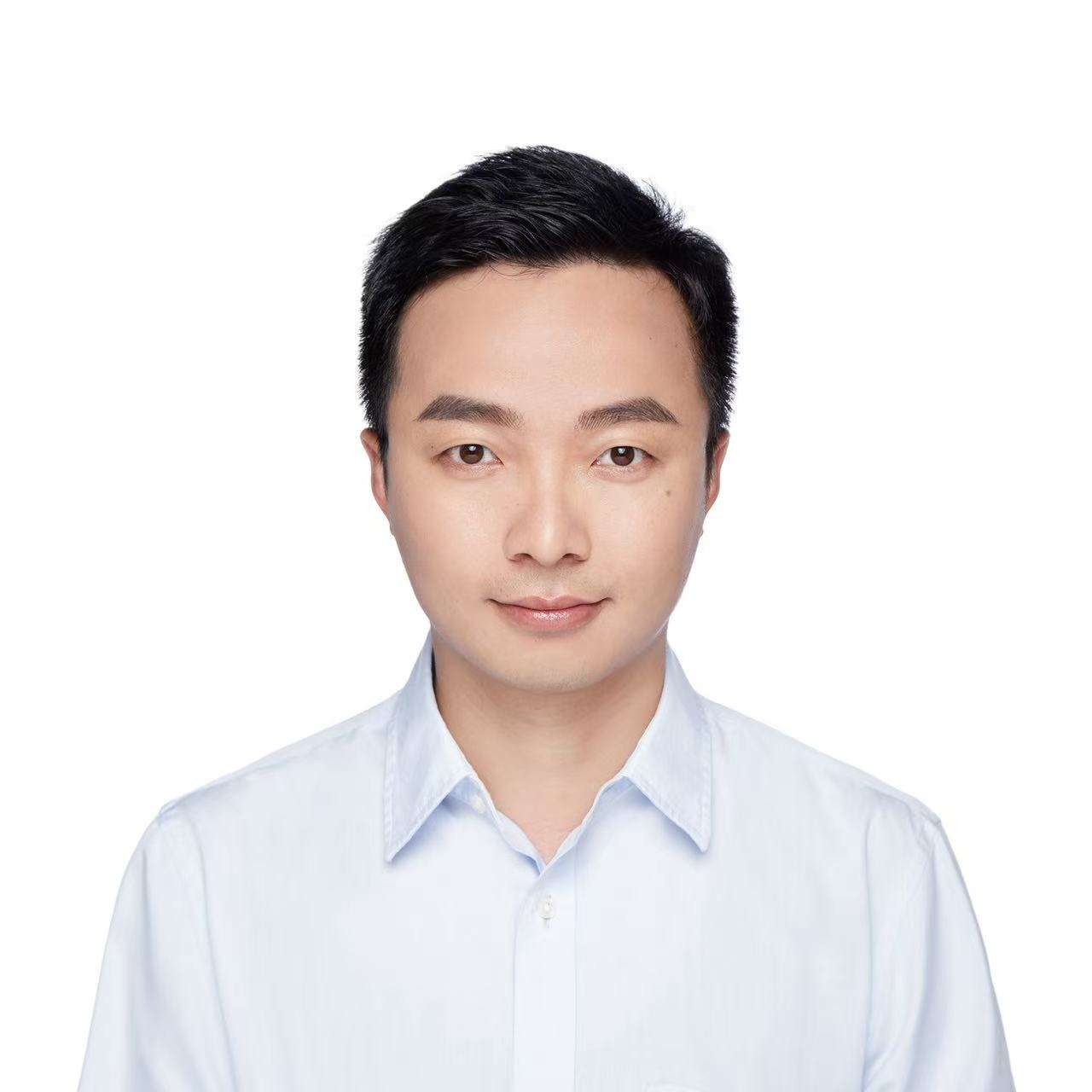
Logan LAU
Logan Lau, Senior Engineer from China Merchants Marine and Offshore Research Institute Co., Ltd (CMMI), engaged in research related to carbon footprint, clean fuels, and ship energy efficiency.

Daniel SONG
Daniel SONG, Head of Shipping Expertise Center Sustainability, Future Shipping Team (FST). Joined Bureau Veritas in 2021, in charge of the technical and marketing support for the ship's sustainability, doing the research of the shipping's alternative and innovation technologies.
Graduated from Dalian Maritime University with Master degree in Marine Engineering.

Eleanor Cunningham
Eleanor Cunningham is the General Manager, Sustainability, at The Caravel Group, a Hong Kong–based diversified conglomerate with global operations. She leads the Group’s global sustainability strategy and supports decarbonization and ESG performance, working with cross-functional teams across a fleet of more than 500 vessels under management.
With over 15 years of experience in the consulting, maritime, and hospitality sectors, Eleanor develops strategic yet practical ESG frameworks that strengthen governance, improve data quality, and enhance disclosures to meet transnational expectations.
She advises C-suite leaders on emerging ESG risks and develops strategies to translate climate transition planning and scenario analysis into actionable roadmaps.
She also serves on the Facilities Management and Development Committee and the ESG Committee of one of Hong Kong’s largest NGOs, contributing corporate sustainability expertise to support community impact and reputation-building efforts.
She holds bachelor’s and master’s degrees in Science and Chemical Engineering from Imperial College London (UK) and is professionally accredited in carbon auditing (AEE CAP™️) and climate risk (GARP SCR®️).

Shen Tao
Shen Tao serves as Director, Global Sustainability for the Eastern Hemisphere at ABS. In his current role, Tao is responsible for leading the Sustainability team to provide technical solutions and commercial advisories for addressing the challenges the industry is facing under the ever-changing regulatory requirements and the dynamic market. He is focused on environmental compliance, energy efficiency, decarbonization, sustainability, and ESG.
Tao spent almost two decades in the maritime industry. He holds an MBA and the B.S. in Naval Architecture and Offshore Engineering.
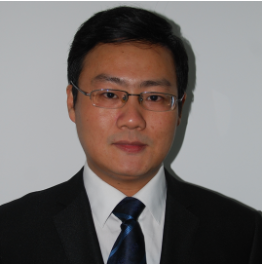
Julian ZHOU
Environment & Climate Change Regional Manager, RINA (Shanghai) Quality Certification Co., Ltd.
Over ten years’ experience of auditing, reviewing and management in carbon and sustainability area, including biofuel, green marine fuel, renewable/non-renewable energy, chemical industry, waste treatment and handling, transport, etc
Holder and qualification of ISCC EU, PLUS, CORSIA, CFC, GHG, PCF, LCA, CDM, VCS, GS, ACA, CMVP, CEM and EMS.
Dual Master’s degrees in Environmental Engineering (Melbourne University) and Ecology (Fudan University)

Jude LEE
Jude Lee (She/Her) is the Regional Policy and Program Director for Asia-Pacific at Transport & Environment (T&E), where she leads the organization’s regional expansion and strategy. Based in Australia, she oversees T&E’s work on shipping, aviation, road transport decarbonization, and energy transition, with Singapore serving as a key hub. She collaborates with NGOs, funders, and policymakers to align Asia’s transport and energy decarbonization with global climate frameworks.
Before joining T&E, Jude worked across Asia on climate and energy policy, building networks that now underpin T&E’s regional outreach. She is leading our regional strategy and partnerships across shipping, aviation, road transport decarbonization, and the clean energy transition. With Singapore as a regional hub, we’re fostering collaboration between Asia and Europe to accelerate zero-emission transport and energy transitions. helping ensure that global decarbonization efforts are both inclusive and regionally grounded.

Prapisala Thepsithar
Dr Prapisala Thepsithar is a Director in the Projects team at the Global Centre for Maritime Decarbonisation and the lead for GCMD’s assurance framework for drop-in green fuels initiative.
Prior to joining GCMD, she was the Research Lead and a Senior Scientist at the Maritime Energy & Sustainable Development Centre of Excellence in Nanyang Technological University.
Prapisala brings close to two decades of experience in the maritime industry, beginning as a Research Engineer with the Keppel Offshore and Marine Technology Centre. Her research areas include environmental technology (specifically air pollution and GHG emissions from the maritime industry), alternative fuels and energy sources for ports and ships, as well as biofuel quality and standards.
Prapisala sits on the Working Group for Marine Biofuels Standards and the National Mirror Committee for ISO Biofuels Standards, part of Singapore Standards Council’s Chemical Standards Committee. She obtained her Ph.D. in Chemical Engineering (Environmental Technology) from the University of Manchester and holds a Master of Environment Engineering from Chulalongkorn University.

Ting LI
Ting Li is the General Manager, China at Veritas Petroleum Services (VPS), leading maritime decarbonisation strategy and green fuel testing laboratory development in China. With a MPhil in sustainable shipping decarbonisation and mechanical engineering background, working in shipping industry 12 years, she specializes decarbonisation advisory, regulatory compliance, and stakeholder engagement by integrating the solution by tracking bunkering fuel quality (TtW), emission assessment, and energy transition modelling. As VPS China’s decarbonisation spokesperson, she delivers actionable decarbonisation and digitalization solution for shipping’s net‑zero transition to support green strategy.

Luigi FIATO
Managing Director of RINA (Shanghai) Quality Certification Co., Ltd. and Certification Director for China.
He has over 20 years of experience within RINA, spanning Certification, Industry, and Energy business lines, with a strong focus on international development and platform building.
Since 2018, he has been based in Shanghai, where he has played a key role in establishing and scaling RINA’s presence in China and APAC. He previously served as Executive Director of RINA Industry APAC, leading the creation and rapid growth of RINA Industry Innovation & Technology (Shanghai), achieving significant expansion in both organization size and business volume.
He is currently responsible for the governance, stabilization, and strategic relaunch of Certification activities in China, including regulatory alignment with CNCA requirements and the development of carbon and sustainability services.
His expertise covers certification, industrial services, decarbonization, and cross-business integration, with a track record in building and transforming international platforms in complex markets.

Tom Uiterwaal
Tom Uiterwaal is the CEO of Reconergy (Hong Kong) Ltd. and Managing Director of Sino Renewables (Shanghai) Ltd., a seasoned professional with more than 25 YEARS vegetable oil and fats background. The last 17 years Tom has been active in the WASTE-TO-ENERGY industry in China focused on sourcing waste-feedstocks for the Biofuels and Green electricity production in Europe.
Reconergy is the proud winner of the Cathay Pacific Shooting Start Award in 2017 and the Sustainability
Business Award in 2021 of the Dutch Chamber of Commerce in Hong Kong.
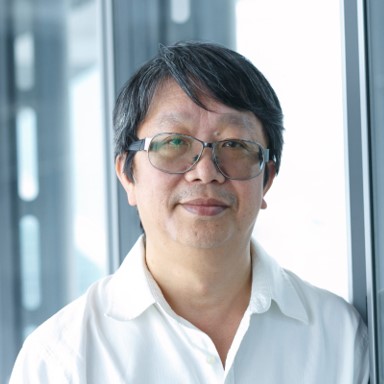
Alexis LAU
Prof. Alexis Lau, JP, is the Head and Chair Professor of Division of Environment and Sustainability, Chair Professor of Department of Civil and Environmental Engineering, and the Director of the Institute for the Environment at the Hong Kong University of Science and Technology.
Prof. Lau specializes in air quality and health exposure, weather and climate, and environmental policies, with recent focuses on climate adaptation and resilience, as well as shaping the transition to green finance based on climate science. His professional techniques include the analysis of large-scale geophysical datasets, numerical models, and in-situ and satellite remote sensing.
Prof. Lau is a fellow of the Hong Kong Meteorological Society, a founding member of the Hong Kong Climate Change Forum, a scientific advisor to the Hong Kong Observatory, as well as a founding board member and chair of the Qualification Panel of the Hong Kong Institute of Qualified Environmental Professionals. Currently, Prof. Lau is leading the first pan-Pearl River Delta Air Quality study managed jointly by the regional governments under the “Cooperation Agreement on Regional Air Pollution Control and Prevention among Hong Kong, Guangdong, and Macao”. Additionally, he is a member of the Scientific Advisory Group of the World Health Organization Panel on the development of a Global Platform on Air Quality and Health.


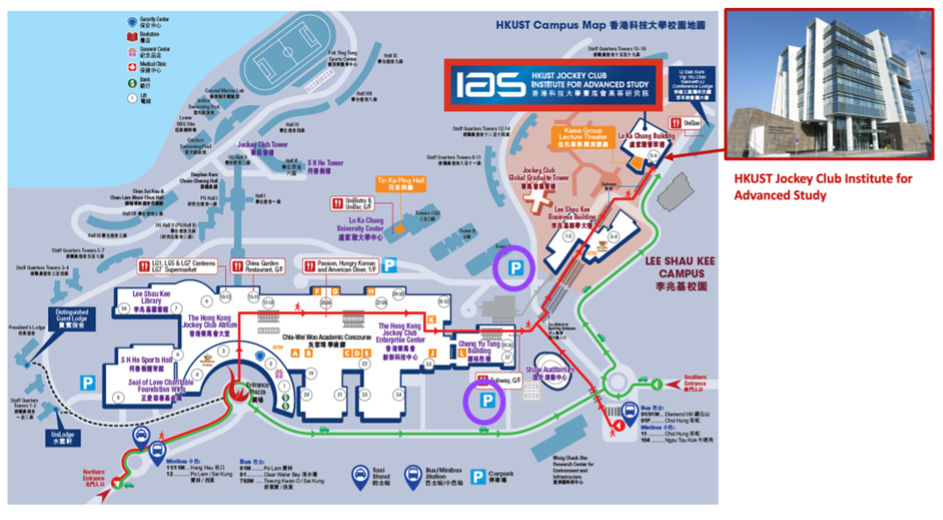
IAS Location Map: